






08/10/2026
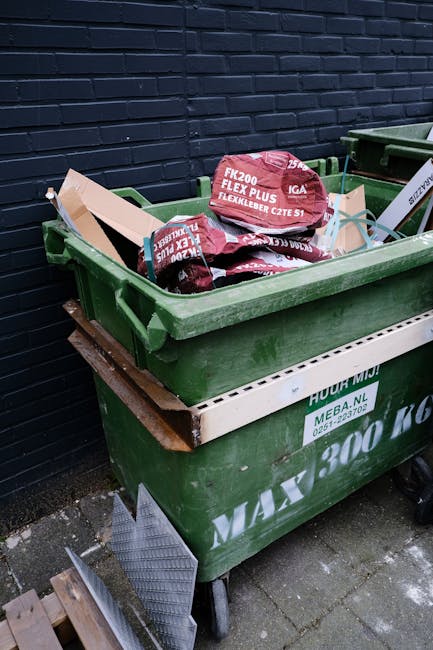
If your bins are still sitting outside when they should have been emptied, it can throw the whole...
Rubbish Clearance Ealing provides rubbish clearance in Ealing for domestic and commercial customers who want unwanted items removed in a tidy, practical way. From one-off clearances to regular waste removal, the service covers mixed rubbish, furniture, appliances, garden waste and builders’ debris, with an approach focused on straightforward collection and responsible disposal. If you need to clear a property, refresh a room or deal with accumulated waste, we can help you plan the right kind of clearance.
Our work is suited to homes, flats, offices and trade premises where waste has built up and needs to be taken away without fuss. Clear access, sensible sorting and the right vehicle choice matter because they affect how a clearance is carried out and what can be removed in one visit. We aim to make the process easy to understand, whether the job is a few bulky items or a fuller property clearance. If you already know what needs removing, you can request a quotation once you have looked through the service pages.
Useful starting points include the main service overview and the pages for specific clearance types, which explain the kinds of waste each service is intended to handle. For a fuller picture of how costs are put together, the pricing page is also helpful. If you are comparing options for a home, garden or business property, it is often best to match the service page to the material you need removed before asking for a quote.
Household waste comes in many forms, so domestic clearance needs to be flexible enough to deal with mixed contents as well as single bulky pieces. Our domestic waste collection page covers everyday household rubbish, while the house clearance service is better suited to fuller clear-outs. This can include loft contents, general clutter, bags of rubbish, small furnishings and other household items that are ready to leave the property.
When a home has a few large items rather than many smaller bags, a targeted collection is often simpler. The furniture removal service is useful for sofas, tables, chairs and similar items, while the white goods and appliance disposal page is relevant for fridges, washing machines and other domestic appliances. These jobs may need different handling because of size, weight and material type, so it helps to identify the items clearly before booking.
To prepare a sensible quotation, it helps to note the main item types, how much space they take up and whether anything is awkward to carry from the property. A short list is often enough, and photographs can help when there are mixed contents or large items to assess. If you are clearing more than one room, group the contents by area so the scope is easier to understand. That makes it simpler to choose between a partial collection and a fuller house clearance.
Outdoor waste behaves differently from household rubbish, especially when it contains soil, branches, turf, prunings or wet green material. Our garden waste removal page covers the kind of material generated by routine maintenance, seasonal cutting-back and larger tidy-ups. Depending on the task, the clearance may involve loose green waste, bundled branches, bags of cuttings or heavier items that have been left outside after work in the garden.
Garden clearances often need a more organised approach than people expect, because different materials may need separating before disposal. Green waste is not the same as old fencing, broken planters or soil-filled bags, and a mixed load may require a broader rubbish collection rather than a garden-only service. If you have an overgrown plot, a cleared border or a lot of leftover material after landscaping, describe the volume and the main types of waste so the visit can be planned properly.
Before a collection, it is usually useful to keep walkways open and set aside what is definitely being removed. That makes loading simpler and avoids confusion about reusable tools, pots or furniture that are staying. If the garden contains both organic waste and general rubbish, mixing the two in one request is fine, as long as the main types are made clear. For a straightforward first step, take a quick inventory and then ask for a quote.
Business premises generate waste that is often more varied than household rubbish, especially when offices, shops, storage rooms or workspaces need clearing. The commercial waste removal page is relevant for ongoing or one-off business clearances, where the emphasis may be on keeping the premises usable while items are taken away. This may include office furniture, packaging, general waste, archived material or other unwanted contents from a working environment.
Building and refurbishment work can also leave behind debris that needs a separate treatment from routine commercial rubbish. The builders’ waste removal service is intended for rubble, offcuts, packaging and similar post-project waste, while the services overview gives a wider view of the available options. Choosing the right page matters because trade waste, general business waste and renovation debris do not always need the same collection method.
For commercial work, the key details are access, quantity and the type of material involved. A loading bay, corridor, staircase or shared entrance can all affect how the work is organised, especially in managed buildings. If the clearance is being arranged around trading hours or other users of the premises, note any limits clearly. That way the collection can be matched to the site rather than treated as a generic job.
Understanding how a quotation is formed can make it easier to compare services and decide what to remove now and what to leave for later. The pricing and quotes page explains the factors that may affect cost, such as the amount of waste, the type of items, access and the work involved in loading. Clear descriptions of the rubbish usually help produce a more accurate estimate than vague notes, especially when a job includes mixed materials.
It is also sensible to check the practical and compliance pages when you want to understand how a service is operated. The waste carrier licence and compliance page is useful for checking disposal responsibilities, while the payment and security page sets out how payment is handled. For customers who prefer to review service protections and working standards, the insurance and safety page gives a further point of reference.
When you are ready, keep the request focused on the items to be removed, the property type and any access points that matter. A small amount of preparation can save time later: separate what stays from what goes, check whether there are stairs or shared entrances, and mention any heavy or awkward pieces. For a more detailed look at how the business handles waste and disposal, the recycling and sustainability page is worth reading before you send your enquiry.
Ealing is a large district in West London, often described as the “Queen of the Suburbs” because of its garden-suburb streets, mature tree planting and a long history of residential growth. The area developed significantly with the arrival of the railways in the nineteenth century, which encouraged suburban building and connected Ealing more closely with central London. Today it combines older village-like pockets, later Victorian and Edwardian housing, post-war development and busy town-centre streets around Ealing Broadway. The district sits within the London Borough of Ealing and contains several recognisable neighbourhoods, each with its own character, from Northfields and South Ealing to West Ealing and Ealing Common.
Green space is one of Ealing’s defining features. Walpole Park, with its formal planting and open lawns, is a well-known local landscape, while Ealing Common provides a broad stretch of public open land that has long been part of the area’s everyday leisure life. Pitshanger Park and other smaller spaces add to the borough’s network of parks and playing fields. The Grand Union Canal also passes through parts of the wider borough, linking residential districts with a historic transport corridor that once played a major role in London’s trade and industry. Ealing’s built environment includes handsome terraces, period villas, church buildings and commercial streets that show the area’s layered development over time. Cultural life remains a strong feature too, with cinemas, theatres, independent cafés and community venues helping give the district a lively suburban centre that still feels tied to its local heritage.
Many clearances involve a mixture of loose rubbish and items that have simply become too awkward to keep. Sofas, wardrobes, desks, bed frames and broken household goods are all common examples, and they often need a removal plan that takes account of weight as well as volume. Our furniture removal page is helpful when the main need is to take away bulky domestic items, while the appliance disposal service is more suitable when the job includes electrical goods.
Sometimes the best option is not to separate every item into a different service, but to group related waste together and describe it clearly. A room clearance may include a broken chest of drawers, packaging, old paperwork and a damaged appliance, all of which can often be assessed together. The important point is to tell us what the main objects are and whether anything is especially heavy, fragile or difficult to move through the property. That lets us recommend the most practical collection route.
When a pile contains both reusable-looking items and true waste, it is still worth flagging the mixture early so the removal can be planned correctly. That is especially useful if the property is on an upper floor, has narrow halls or uses shared access. A well-described collection usually avoids unnecessary delay and gives you a clearer quotation from the outset. If you are comparing services, begin with the item list rather than the room count alone.
End-of-tenancy situations, property sales and simple occupier changes can all leave behind waste that needs clearing in a practical, neutral way. The house clearance page is relevant where a property has contents that must be removed before the next stage, while the broader about us page gives an outline of the business background and service focus. In this kind of work, the aim is often to leave the space ready for cleaning, viewing or handover.
Landlords and agents may need a clearance after a tenant has left behind furniture, bags, unwanted appliances or general rubbish. Private homeowners may also want help when a move, downsizing or refurbishment has created more clutter than can be managed easily. The useful part of a clearance service is not only taking items away, but doing so in a way that fits the schedule and condition of the property. If the job includes multiple rooms, it is worth listing which spaces are involved so nothing is missed.
The most useful information is usually simple: what needs to go, where it is in the property and whether there are access issues such as stairs or narrow entrances. If you can, separate the items that will stay from the items that are being removed. That reduces uncertainty and makes the quotation easier to match to the real job. A short note about timing can also help if the clearance needs to fit around keys, inspections or other property arrangements.
Not every load needs the same treatment, so the clearest way to book is to match the waste to the most relevant service page. If the rubbish is mainly from a garden, choose garden waste removal; if it is furniture-heavy, use the furniture page; if it comes from renovation work, builders’ waste is usually the better fit. This is where the service pages act as a practical guide rather than a sales pitch, helping you identify the kind of collection that suits the job.
For mixed properties, the services overview can be a good place to start, because it brings the main options together in one place. You can then move to the specific page that best matches the load, whether that means domestic rubbish, commercial waste, a full house clearance or appliance disposal. Choosing the closest fit often makes the request clearer and avoids over-specifying the job before the waste has been described properly.
When you are ready to proceed, send a clear description of the items, the property type and the access details that matter. That is enough for a sensible first conversation in most cases. For a final step, use the contact page to request a quotation and include any relevant notes about the collection.
If you need rubbish clearance in Ealing, the quickest route is to identify the main type of waste and choose the service page that fits best. The quotation process becomes easier when the scope is clear, so it helps to mention whether the job is domestic, commercial, garden-related or connected to building work. If there are bulky objects, mixed materials or access restrictions, add that detail as well so the estimate reflects the real collection.
For customers who want to review the practical side before making contact, the information pages on pricing, compliance, safety and sustainability are available through the site and can be read in any order. They are useful for understanding how the service is organised and what is covered by each kind of clearance. Keep your enquiry concise but complete, and use the details that matter most to the job rather than trying to describe every loose item individually.
To request a quotation, use the contact page and send your service details today. If you already know the main items and the location within the property, that is usually enough to begin.
Rubbish clearance in Ealing for homes, flats, gardens and business premises, with practical collection, responsible disposal and clear quotations.
If your bins are still sitting outside when they should have been emptied, it can throw the whole...
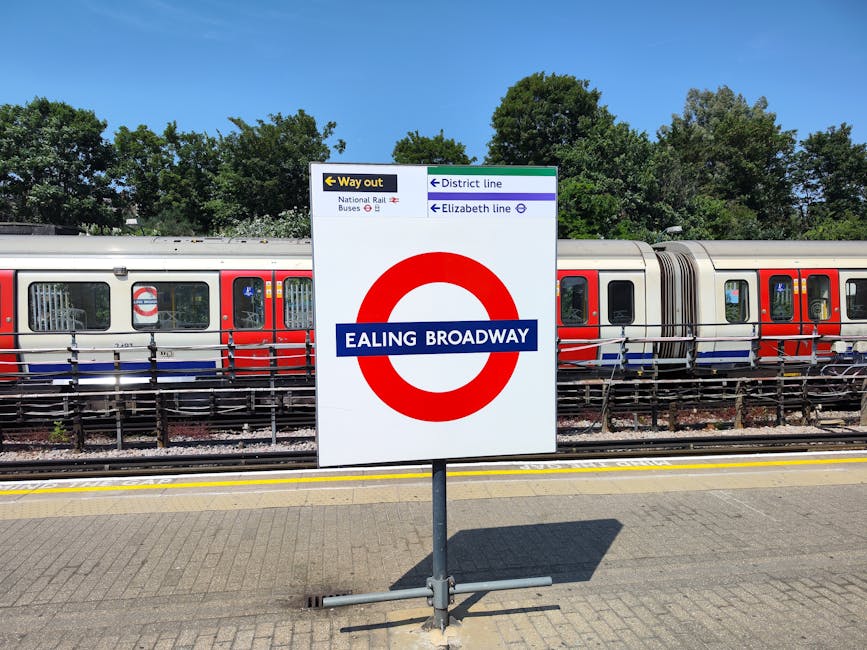
If you've ever booked a rubbish clearance and felt uneasy about the final bill, you're not alone....

If you live in a Victorian house on a Hanwell estate, rubbish clearance can be trickier than...
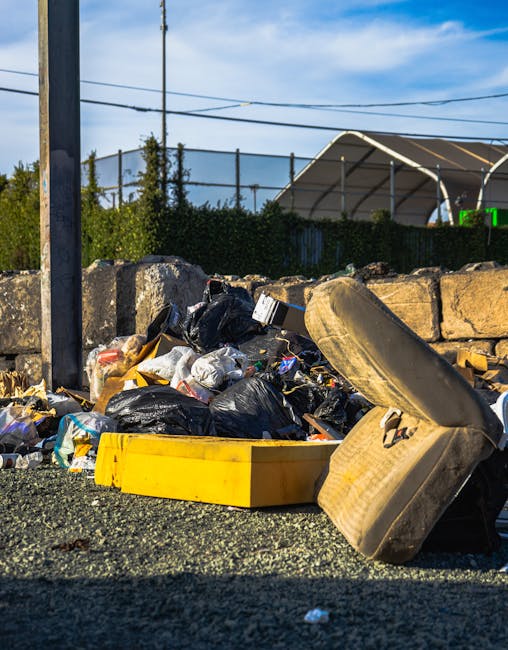
If you are searching for Northfields bulky rubbish pickup near Northfields Station, chances are...

When an event wraps up at Walpole Park, the real work often starts just as the music fades and...
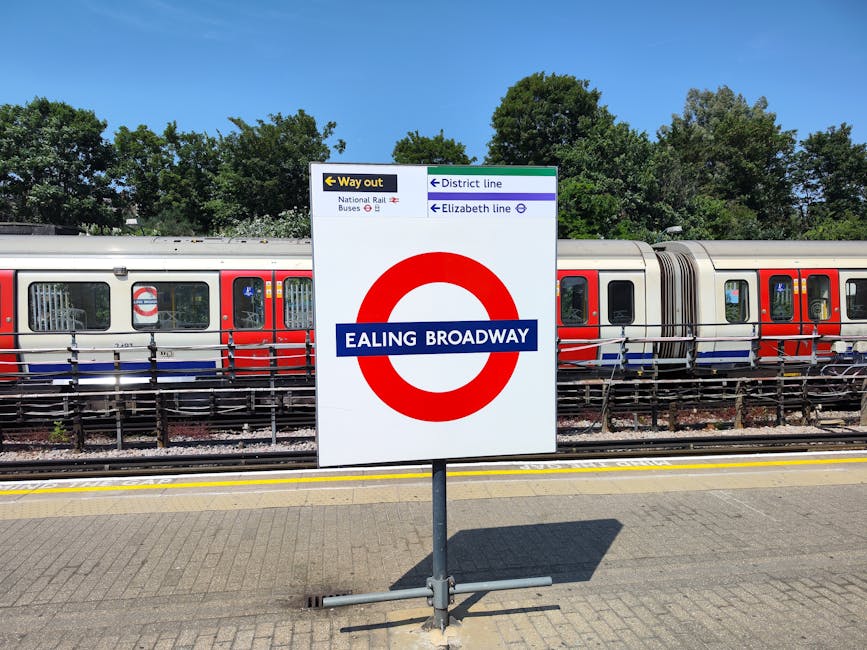
If you live in a flat near Ealing Broadway, rubbish clearance can feel oddly complicated. Lifts...

Located in West London, Ealing boasts a dynamic and eclectic nightlife scene that caters to all...

Plastic waste has become a major environmental issue in recent years. With an estimated 91% of...

When most people think of London, they envision the bustling metropolis with its iconic landmarks...

Investing in property is a time-tested way to build wealth. Ealing, a thriving borough in West...

Ealing, often referred to as the "Queen of the Suburbs," has long been a desirable location for...

 (85)
(85)
Please fill out the form below to send us an email and we will get back to you as soon as possible.