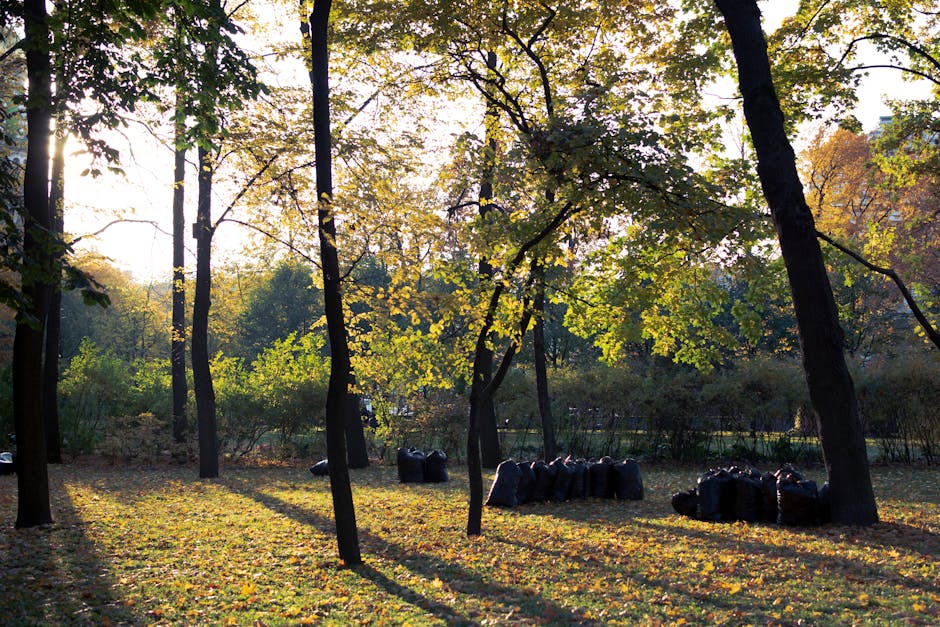
Walpole Park rubbish removal for event cleanup
Posted on 30/06/2026

Walpole Park rubbish removal for event cleanup: a practical guide for organisers, venues and local teams
When an event wraps up at Walpole Park, the real work often starts just as the music fades and the last guest heads home. Bags pile up, bottles spill into corners, catering waste mixes with packaging, and somehow there is always more debris than you expected. That is where Walpole Park rubbish removal for event cleanup becomes less of a nice-to-have and more of a proper must-have. If you are planning a community gathering, private celebration, charity event, school function, or a larger commercial booking, clearing the site quickly and responsibly matters for everyone who uses the space next.
This guide breaks down how event waste clearance works, what to expect on the day, how to avoid common mistakes, and how to choose a method that is efficient without feeling chaotic. We will also touch on sensible compliance, recycling, and the practical decisions that save time when the bins are overflowing and everyone is tired. It is not glamorous work, but it is the bit people remember if it goes wrong.
Why Walpole Park rubbish removal for event cleanup matters
Event cleanup is not just about making a site look tidy again. In a park setting, it affects safety, public access, local reputation, and the quality of the space for the next visitor. Walpole Park is the sort of place where people expect a calm, well-kept environment. If litter is left behind, it can attract pests, create slip hazards, and make the area look neglected very quickly. One missed pile of food waste or loose packaging can spread farther than you think once the wind gets involved.
There is also the practical side. Event organisers usually have a tight window to clear the site, hand it back, and move on. Delays can trigger extra labour, awkward conversations, and unnecessary stress. If you have ever stood under a grey London sky at 8:15 in the morning, trying to separate cans from catering waste while someone asks where the banners went, you will know the feeling. Not fun.
Good rubbish removal keeps the event experience clean from start to finish. It protects the park, supports responsible recycling, and helps teams work in a way that feels organised rather than scrambled. For anyone comparing options, the broader services overview is a sensible place to understand what different clearance jobs can include, especially if your event has mixed waste streams or bulky leftovers.
Expert summary: The best event cleanup is usually the one you barely notice. Waste is collected quickly, recyclables are separated properly, and the site looks ready for public use again without fuss.
How Walpole Park rubbish removal for event cleanup works
The process is usually more straightforward than people expect, but only if it is planned properly. In broad terms, event rubbish removal works in four stages: assessment, segregation, collection, and disposal or recycling. The exact setup depends on the size of the event, the type of waste, and how accessible the site is for loading.
First, you identify what will be created. That may include food waste, plastic cups, cardboard, paper signs, discarded tableware, decorations, broken furniture, cable ties, and sometimes awkward items such as collapsed gazebos or damaged staging. Once you know the likely waste profile, you can decide whether you need a single mixed collection or a more structured approach with separate streams.
Next comes the on-site collection. For a park event, this often means working to a fixed time slot and using bins or sacks that are placed strategically throughout the area. Good organisers do not leave all rubbish until the end; they reduce the load during the event so the final clear-down is manageable. That small decision can save a lot of effort later.
After collection, the load is sorted for reuse, recycling, or disposal. Responsible operators will prioritise recyclable material where possible and keep records where required. If your event includes catering, marquees, promotional materials, or temporary structures, there may also be a need for specialist handling. In some cases, it is worth comparing commercial waste removal support with more general collection options so you are not overpaying for a service that is too broad or too narrow.
Finally, the area is checked for stray litter, broken glass, sharp items, and overlooked corners. Parks have edges, planting beds, and hidden spaces where rubbish can collect. Truth be told, these are often the bits that get missed when teams rush. A final walk-through is not optional. It is the difference between a tidy handover and a complaint the next day.
Key benefits and practical advantages
The biggest benefit is obvious: a clean park. But there are several less obvious advantages that really matter on event day and after it. A well-managed rubbish removal plan cuts down on staff stress, keeps the event running smoothly, and helps you avoid last-minute panic around collection deadlines.
- Faster site recovery: The venue can be handed back sooner, which is especially useful for multi-day schedules or back-to-back bookings.
- Better presentation: Guests notice tidy grounds, and so do local residents. A clean finish matters more than people admit.
- Improved safety: Less loose waste means fewer trip hazards, fewer sharp objects underfoot, and fewer hygiene problems around food areas.
- More recycling potential: When waste is separated early, more material can be diverted from general disposal.
- Less admin pressure: If everything is logged, labelled, and removed properly, there is less back-and-forth after the event.
There is also a subtle reputational benefit. For community events or public-facing brands, how you leave a venue says a lot. A spotless finish sends the right message. It says you respected the space and the people who use it. That is not a small thing in a local area like Ealing, where community awareness tends to matter.
When organisers plan thoughtfully, they often also save money in indirect ways. Fewer emergency callouts. Less overtime. Less waste contamination. You get the idea. The jobs that look expensive at first can turn out to be the cheaper option once the whole picture is considered. If you want to understand how quotations are usually structured, the page on pricing and quotes is a useful reference point.
Who this is for and when it makes sense
This kind of cleanup is relevant to far more people than just large event companies. In practice, it suits anyone who needs a site cleared quickly, cleanly, and with a sensible handling of mixed rubbish. That includes local organisers, schools, community groups, wedding planners, venue teams, charities, production crews, and businesses hosting outdoor functions.
It also makes sense if you are dealing with one of those events that starts looking small on paper and then, somehow, turns into a mountain of waste. A birthday barbecue with decorations, drinks packaging, and folding chairs is a classic example. So is a fundraiser with catering stalls, branded paper goods, and promotional boards. And yes, even a modest gathering can leave a surprising amount behind.
You may also need a more structured clearance if your event produces bulky items such as wooden pallets, damaged display units, leftover furniture, or appliance-style equipment used for food service. In those cases, support from furniture removal specialists or even appliance disposal services can be helpful. That is especially true if the cleanup is happening after a hire-based event where every item has to be returned, removed, or accounted for.
It is also relevant for teams working across other Ealing locations who want a similar standard of clean-up. For example, readers looking at Ealing Broadway rubbish clearance guidance for flats often have the same underlying issue: limited space, a tight turnaround, and no room for sloppy waste handling.
Step-by-step guidance
If you are organising cleanup for an event at Walpole Park, a simple step-by-step plan keeps everything calmer. Nothing fancy. Just a sensible order of work.
- Estimate the waste mix early. Think through food waste, packaging, bottles, cardboard, decor, and bulky items. If you do this a few days ahead, you will not be guessing on the day.
- Place bins where people actually use them. Near catering points, exits, and seating areas usually works best. One hidden bin near a hedge is not enough, obviously.
- Label waste streams clearly. Even simple signage helps reduce contamination between general rubbish and recyclables.
- Assign a clear responsibility chain. Someone should be in charge of the final sweep, someone else of recycling checks, and someone else of loading if vehicles are involved.
- Schedule collection around the event finish. Do not leave it vague. Tidy-up windows disappear quickly once everyone starts stacking chairs and looking for missing extension leads.
- Do a visible sweep first. Pick up the obvious litter before going after the detailed bits. It builds momentum and makes the site look better straight away.
- Check hidden spaces. Look under benches, behind temporary structures, around planting, and near entrances. Loose cups and napkins love those places.
- Sort and remove the load responsibly. Keep recyclables separate if possible, and make sure anything unsuitable for recycling is handled correctly.
- Finish with a final inspection. Walk the site slowly. If you can spot one more item from a few metres away, the park steward probably will too.
Where an event has seasonal garden features, floral displays, or landscaping waste, a little support from garden waste removal can make the difference between a messy clear-up and a neat handover. Some event teams also pair this with general domestic waste collection in Ealing if the job involves mixed household-style waste from community functions or private hires.
Expert tips for better results
Small improvements add up fast in event cleanup. The trick is to think like the person who has to move the rubbish, not just the person who is creating it. That mindset changes quite a lot.
Start waste control before the event starts. It is much easier to prevent contamination than to sort it after the fact. Put recycling and general waste bins side by side, and make sure the labels are easy to read from standing height, not just if you are leaning over them.
Use fewer disposable items where practical. If your event can safely switch to reusable or returnable materials, the waste load drops immediately. Less waste means fewer bags, fewer handling problems, and less chance of spills.
Keep a separate bag for sharp or broken items. Broken glass, cracked plastic, and fragments from displays should never be thrown in casually with loose rubbish. That is where cuts and unpleasant surprises happen.
Plan for wet waste. If the weather turns damp, cardboard and paper become heavier and messier. A bit of rain on a summer evening can make the clear-up feel twice as long. London weather does enjoy a tiny bit of drama, after all.
Do not mix bulky reusable items with disposal waste. Chairs, tables, signage stands, and cables often need a different route from food waste and packaging. If in doubt, separate them early and decide later. That is usually the safer call.
Use a provider that understands waste handling, not just lifting. Real event cleanup is about sorting, timing, and responsible disposal. If you are checking background and working standards, pages like waste carrier licence and compliance, insurance and safety, and recycling and sustainability are useful for understanding the kind of assurances a professional setup should provide.
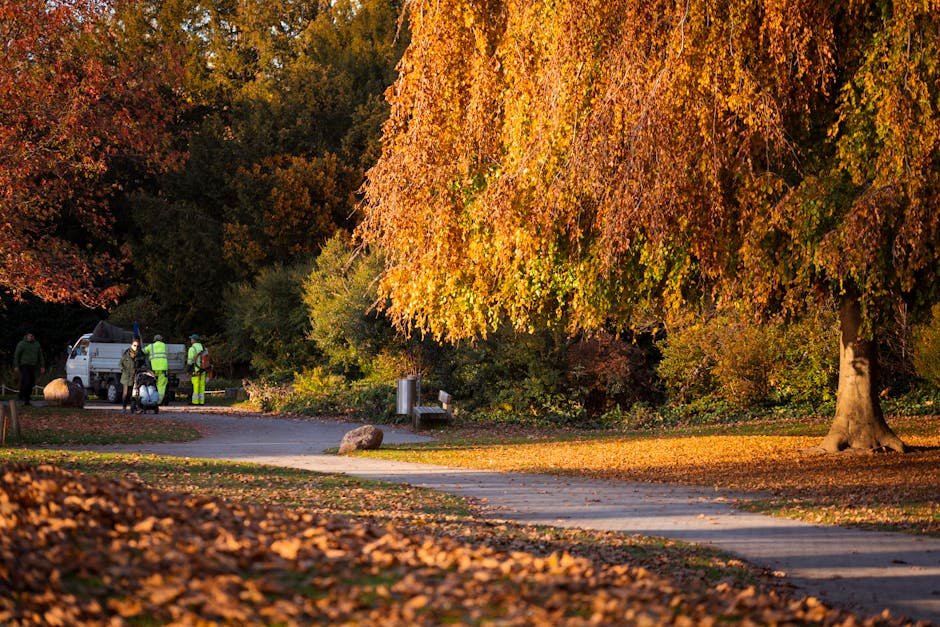
Common mistakes to avoid
Most event waste problems are avoidable. Sadly, they are also very predictable. Here are the ones that crop up most often.
- Leaving waste planning too late: If bins, bags, and collection timing are sorted on the day, you are already behind.
- Underestimating mixed waste: Event waste is rarely neat. It is usually a blend of food, packaging, decor, and the odd bulky item.
- Forgetting access routes: A collection plan is useless if no one has checked where loading can happen safely.
- Using the wrong containers: Thin sacks for heavy or sharp waste are a bad idea. They split. You know how that story ends.
- Ignoring recyclables: A lot of material can be recovered if it is not contaminated in the first place.
- Skipping the final sweep: This is the classic mistake. It always seems optional until someone finds the last bottle by the gate.
Another quiet mistake is assuming all clearance services are the same. They are not. Some are better suited to one-off domestic jobs, others to commercial-scale clears, and some handle bulky or mixed loads more efficiently. If you are comparing broader options, it may help to review builders waste removal in Ealing as a useful comparison point for heavier, messier, more structured clearances.
And one more thing: do not let the cleanup team become invisible. Communication matters. A five-minute handover can save half an hour of confusion later. Simple, but true.
Tools, resources and recommendations
You do not need a warehouse full of kit to run a good event cleanup, but the right basics make a difference. Most teams benefit from a practical mix of bags, bins, gloves, signage, and a clear loading plan. Simple things. Reliable things.
| Tool or resource | Best use | Why it helps |
|---|---|---|
| Heavy-duty sacks | General event waste and mixed rubbish | Reduces splitting and makes collection faster |
| Clearly labelled bins | Sorting recyclables and general waste on site | Improves separation and cuts contamination |
| Gloves and basic PPE | Handling litter, sharp objects and damp waste | Improves safety and comfort for staff |
| Barrier tape or cones | Marking temporary collection points | Keeps access clear and avoids crowding |
| Recycling guidance | Sorting paper, plastics and other recoverables | Supports better recovery and less waste |
For event teams who want a sense of local context, it can also help to read about the area itself. A useful starting point is the delightful Ealing area, which gives a broader feel for why tidy public spaces matter so much here. If you are planning around resident expectations or post-event access, local advice for residents in Ealing can also help frame the wider setting.
For sustainability-minded organisers, a bit of reading on plastic sorting is worthwhile too. The article on sorting and recycling plastic waste properly is useful background if your event uses a lot of bottles, cups, wraps, or packaging. It is a small step, but it can improve how much of your waste ends up being recycled rather than thrown together.
Law, compliance, standards and best practice
Event organisers do not need to become waste lawyers, thankfully. But they do need to use sensible, lawful methods and work with properly managed waste carriers. In the UK, general best practice is to ensure waste is handled by a suitable, compliant operator, especially when material is being removed from a public or semi-public site. You should also make sure waste is not fly-tipped, mixed improperly, or left in a way that creates a hazard.
For park events, the practical compliance points are fairly straightforward. Keep rubbish contained, do not obstruct public routes, avoid damage to landscaping, and make sure any transport or loading is done safely. If you are using a third party, ask whether they can demonstrate proper licensing and insurance, and whether they work with recycling and disposal routes that are appropriate for the material you are handing over.
There are also broader standards of care worth following. Public spaces deserve a higher bar than private back gardens. That means taking extra care with litter, checking for broken glass, and leaving footpaths and seating areas clear. If your event has a commercial element, then documentation and traceability become more important too. That is where working with a provider that understands commercial waste handling can be a practical advantage.
It is also wise to know the company's basic service terms, payment process, and safety approach before the event day. Pages such as terms and conditions, payment and security, and insurance and safety help build a more complete picture. That matters because event cleanup is often time-sensitive, and you want as few surprises as possible.
Options and method comparison
There is more than one way to handle Walpole Park event cleanup, and the best choice depends on the scale of the event, the waste type, and how fast the site must be cleared. Here is a simple comparison.
| Method | Best for | Advantages | Trade-offs |
|---|---|---|---|
| In-house cleanup team | Small events with light waste | Flexible, familiar with the event, immediate response | Can be slow if staff are not trained or well equipped |
| Mixed waste collection service | Moderate events with varied rubbish | Simple, quick, suitable for general event debris | Less efficient if you have many recyclable streams |
| Structured recycling-led clearance | Events with large volumes of packaging and bottles | Better material recovery and cleaner sorting | Needs more planning and clearer bin setup |
| Bulky-item specialist removal | Events with furniture, staging, or large props | Handles awkward items safely and efficiently | May be unnecessary for lighter cleanups |
In practice, many event organisers use a hybrid approach. They manage the small litter and front-end bins themselves, then bring in a clearance team for the back-end load. That is often the sweet spot. Enough control to keep costs sensible, but enough support to avoid the final scramble.
Case study or real-world example
Imagine a summer community event near Walpole Park with food stalls, a small stage, bunting, portable seating, and a decent crowd by late afternoon. During the event, the bins fill with paper plates, drink cups, napkins, cardboard trays, and a fair amount of general litter drifting around seating areas. By the end, there are also a few damaged signs, broken packaging crates, and a collapsed display table that no one wants to argue over at 6:30 pm.
The organiser's first mistake could easily be leaving everything until closing time. But a more organised approach changes the outcome. Bins are placed near the food area, a volunteer checks them every so often, and the final cleanup team arrives with gloves, sacks, and a clear loading plan. Recyclables are kept apart where possible. The bulky table is separated from the sacks. A final sweep catches the usual surprise items: bottle caps, stray straws, a ribbon tangled under a bench, and one missing banner cable. Classic.
The difference is not just visual. The site is handed back faster, the waste is handled responsibly, and the event team leaves with a better process for next time. That is usually how good systems are built, by the way. Not by grand planning documents, but by noticing what went wrong and fixing it for the next event.
For event organisers who regularly work around the borough, linking cleanup with broader local planning can help too. Articles such as Ealing's prime party spots and selling your home in Ealing might sound unrelated at first, but both reflect the same underlying truth: presentation and first impressions matter in this area more than people think.
Practical checklist
Use this checklist to keep your event cleanup on track. It is simple, but it works.
- Confirm the likely waste types before the event
- Plan bin locations near high-use areas
- Label waste streams clearly
- Provide gloves and basic protective kit
- Set a clear end-of-event collection window
- Separate recyclables from mixed waste where practical
- Keep bulky items away from general sacks
- Check access routes for loading and pickup
- Do a final sweep of paths, edges and hidden corners
- Make sure nothing sharp, wet or hazardous is left behind
- Review what worked and what did not for next time
If the event includes furniture, temporary seating, or leftover display items, it can help to think beyond general rubbish and consider whether a more specific clearance route is needed. In some cases, a combination of house clearance support and specialised item removal is a better fit than a generic one-size-fits-all pick-up. That judgement call matters.
Conclusion
Walpole Park rubbish removal for event cleanup is really about respect: respect for the venue, for visitors, for neighbours, and for the people doing the physical work afterwards. When cleanup is planned properly, the event ends on a calm note rather than a frantic one. Waste is removed efficiently, recyclable material is handled with care, and the site is left ready for the next use without that lingering sense of mess.
Whether you are organising a small gathering or a larger public-facing event, the best results usually come from doing the basics well. Plan ahead. Separate waste where you can. Keep access clear. And do not underestimate the final sweep, because that last ten percent is often what people remember most.
Get a free quote today and see how much you can save.
If you want a cleaner finish, a calmer handover, and a more professional event experience overall, the sensible next step is to line up your cleanup plan before the first guest arrives. That way, when the lights go down and the park gets quiet again, you are already ahead of the game.