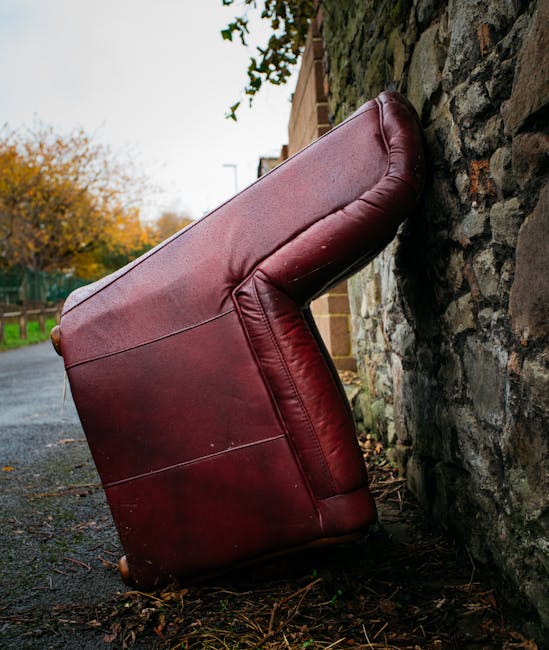
Northfields bulky rubbish pickup near Northfields Station
Posted on 14/07/2026
Northfields bulky rubbish pickup near Northfields Station: a practical local guide
If you are searching for Northfields bulky rubbish pickup near Northfields Station, chances are you want one thing: the clutter gone quickly, without hassle, and without turning your hallway, pavement, or front room into a temporary storage unit. Fair enough. Bulky waste has a habit of hanging around just long enough to become annoying, awkward, and a little bit embarrassing.
This guide explains how bulky rubbish collection works in Northfields, what usually counts as bulky waste, how to prepare items for pickup, and what to check before you book. It also covers flats, shared entrances, local access issues near the station, and the practical differences between household collection, furniture removal, appliance disposal, and larger clearances. If you want a smooth collection rather than a stressful one, you are in the right place.
For wider context on local living and the area around Ealing, you may also find this helpful: local advice on living in Ealing.
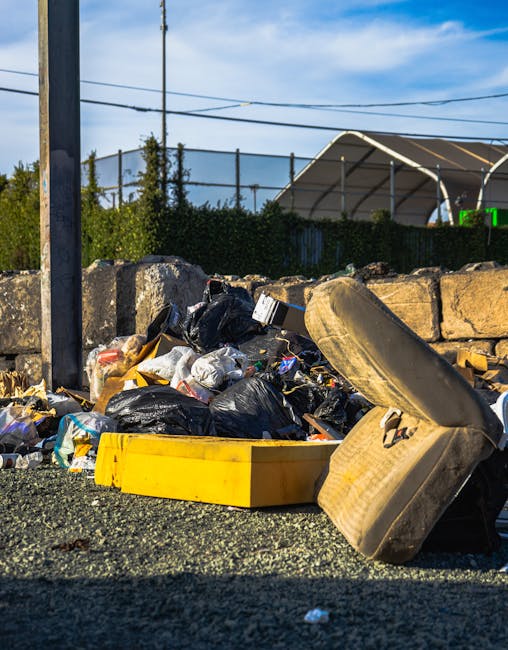
Why Northfields bulky rubbish pickup near Northfields Station Matters
Northfields Station sits in a part of West London where homes are often compact, access can be tight, and parking can be a bit of a puzzle. That matters more than people expect. A sofa that looks simple enough on the landing can become a whole afternoon's problem once you have stairs, narrow doorways, a shared driveway, or a train-timetable-sized window for collection.
Bulk rubbish pickup is not just about removing large items. It is about removing them in a way that respects the building, the neighbours, and the street. In a busy local area, that means careful timing, sensible loading, and a collection method that does not block a pavement or leave waste sitting outside for too long. To be fair, most people only realise this once they have tried to do it themselves.
It also matters because bulky items are rarely just "one thing". They often include a mix of furniture, white goods, broken fittings, and general household rubbish. If they are not separated sensibly, collection becomes slower and recycling becomes harder. A good bulky rubbish pickup service takes the awkward parts off your plate and deals with the heavy lifting, literally and figuratively.
Expert summary: If you live or work near Northfields Station and need bulky waste removed, the best outcome usually comes from simple preparation, clear access, and a collection plan that fits local streets and building layouts.
How Northfields bulky rubbish pickup near Northfields Station Works
In most cases, the process is straightforward. You tell the provider what needs removing, share a rough idea of volume, and explain access details such as stairs, loading restrictions, parking, or whether the items are in a flat, basement, or rear garden. From there, a quote is usually based on space taken in the vehicle, labour involved, and the type of waste.
Bulky rubbish pickup is not the same as a council bin collection. It is generally a more flexible service for items that are too large, too heavy, or too awkward for normal household disposal. That may include wardrobes, mattresses, broken desks, garden furniture, white goods, bed frames, old shelving, or a pile of mixed household clutter after a move. If the items need dismantling, that can often be arranged too, though it is sensible to confirm in advance.
Near Northfields Station, timing matters. Morning collections can be helpful if you want to avoid commuter traffic and keep access clear. Late afternoon can work too, but there is more chance of parking pressure. In buildings with shared hallways, a short, tidy loading window is usually better than leaving items stacked in common areas for hours. Nobody wants that smell of old furniture and damp cardboard hanging around by the door.
Most reputable collections will also ask whether anything is reusable, recyclable, or requires special handling. That is a good sign. It means the job is being planned properly instead of treated like a single giant skip bag. If you want to understand the broader range of services, the services overview is a sensible place to start.
Key Benefits and Practical Advantages
The biggest benefit is obvious: you get space back. But the real value goes beyond that. A well-run bulky waste pickup saves time, avoids lifting injuries, reduces stress, and stops clutter from building up for weeks. For busy households, that alone can be worth it.
There is also a practical environmental side. When bulky items are sorted properly, more can be reused, recycled, or handled separately rather than sent as mixed waste. A service that pays attention to sorting is usually easier to trust than one that simply throws everything together and hopes for the best. For a closer look at sustainable disposal habits, see recycling and sustainability.
Another advantage is predictability. If you have ever tried to move a mattress down a narrow stairwell or wrestle a washing machine into a car that was never meant to carry one, you know what I mean. Professional collection reduces the chance of damaged walls, scuffed floors, or that slightly desperate moment when someone says, "just tilt it a bit more" and everyone silently regrets the plan.
Some of the most common benefits include:
- Fast removal without waiting for a long-term storage solution
- Reduced lifting and moving risk
- Less disruption in shared buildings
- Better sorting for recycling and reuse
- Cleaner exits, hallways, and front steps
- More suitable handling of heavy or awkward items
Who This Is For and When It Makes Sense
This type of pickup is useful for a surprisingly wide range of people. Homeowners, renters, landlords, letting agents, shop managers, and small offices all run into bulky rubbish at some point. Sometimes it is after a move. Sometimes after a refurbishment. Sometimes after a relative has cleared out a home and there is one very determined armchair nobody wants to deal with.
It makes sense when the waste is too much for ordinary disposal, too heavy to move safely, or too awkward to break down without proper tools. It also makes sense when speed matters. If you are preparing a property for sale, handling a tenancy turnover, or just trying to reclaim a bedroom that has quietly become a storage unit, a pickup near Northfields Station can be the practical option.
It is especially useful in flats. Anyone who has tried to remove furniture from upper floors in a Victorian conversion or a modern block will know there is a difference between "possible" and "sensible". If your home situation leans towards awkward, this service is probably for you.
For flat-specific removal challenges in West London, this guide may also help: flat rubbish clearance guidance.
Step-by-Step Guidance
If you want the process to go smoothly, a little preparation goes a long way. Here is a simple way to handle it.
- List the items clearly. Write down what needs removing, including approximate size and quantity. A single three-seater sofa is a very different job from a full garage clear-out.
- Separate reusable and recyclable items where possible. This helps the collector plan the load and can reduce waste. It also means less sorting later on.
- Check access. Think about stairs, lifts, locked gates, parking restrictions, and whether there is room for a vehicle near the entrance.
- Take photos if asked. A few clear images often help provide a more accurate estimate. One quick photo can prevent a lot of guesswork.
- Confirm what is included. Ask whether lifting, dismantling, and loading are part of the service and whether there are items that need special treatment.
- Clear a path. Move small items, fragile objects, and anything that could block the route before collection day.
- Be ready at the agreed time. It sounds obvious, but it avoids delay. In busy London streets, ten minutes can matter quite a bit.
If your bulky waste is part of a bigger household clearance, it may be worth reading about house clearance in Ealing as well. That is often the next logical step when one or two items turn into a lot more than expected.
Expert Tips for Better Results
The simplest tip is this: do not leave everything until the morning of collection. Even thirty minutes of prep can make the job faster, safer, and cheaper. That means grouping items together, checking doors, and deciding what stays and what goes.
One small but useful habit is to measure the awkward pieces. A sofa might feel "standard" until you realise the landing turns sharply at the top of the stairs. A quick measurement of the widest point can save a lot of back-and-forth. You will thank yourself later, honestly.
Another tip is to think in categories. Furniture, appliances, garden waste, and building debris often need different handling. Mixing them all together can slow the job and may affect how the load is sorted. If you are removing a sofa and a fridge, for example, that is better planned as a mixed bulky collection rather than a single vague pile.
Here are a few practical habits that help:
- Keep small loose items in bags or boxes
- Remove drawers or shelves if they make lifting awkward
- Unplug and empty appliances before collection
- Protect communal flooring if you are moving items through shared spaces
- Tell neighbours if access might briefly be blocked
For homeowners refreshing a place before sale, a cleaner, emptier property often photographs better too. That is where a little local planning pays off. If you are thinking ahead to a move or sale, you may also find advice on selling your home in Ealing useful.
Common Mistakes to Avoid
The most common mistake is assuming all bulky waste is the same. It is not. A pile of broken chairs, a mattress, and a fridge each come with different handling needs. Another frequent issue is underestimating access. People forget about narrow staircases, parking bays, low arches, or the fact that a vehicle cannot simply stop wherever it likes. Reality has a way of being less flexible than the plan.
Some people also try to hide extra waste in the collection pile at the last minute. That usually causes more trouble than it solves. A good pickup depends on accurate load size and clear communication. Surprise items can affect time, cost, and whether the vehicle has enough space.
Other mistakes include:
- Leaving collection booking too late during busy periods
- Not checking whether the service handles heavy lifting
- Forgetting to mention access codes or parking constraints
- Mixing prohibited items with general bulky waste
- Assuming everything will be recycled without asking how it is sorted
There is one more subtle one: people sometimes treat bulky rubbish as if it is a quick side job after work. If the items are large or numerous, it is better to plan properly. Rushing a collection near a station area can cause avoidable delays, and nobody needs that kind of chaos on a weekday evening.
Tools, Resources and Recommendations
You do not need a van full of equipment to organise bulky rubbish pickup, but a few simple tools help. A tape measure is useful for larger items. Strong gloves help if you need to move smaller pieces before the team arrives. Basic labels or masking tape can be handy if you are separating items for reuse, recycling, or disposal.
If you are clearing a flat or shared property, a floor plan or even a quick handwritten note about access can be surprisingly useful. It may sound a bit old-school, but that rough sketch of stair turns and door widths can prevent a very awkward day.
Here are some practical recommendations:
- Use clear photos when requesting a quote
- Keep fragile items out of the way before movers arrive
- Group waste by type so the load can be handled efficiently
- Ask if appliances must be disconnected in advance
- Check whether the provider offers furniture removal or appliance disposal as part of a wider service
For item-specific jobs, it can help to compare the likely service route. For example, a single old wardrobe may fit neatly into furniture removal in Ealing, while a broken washing machine may be better suited to white goods and appliance disposal.
Law, Compliance, Standards, or Best Practice
Bulky waste collection is not just a practical issue; it also needs to be handled responsibly. In the UK, waste must be managed by a legitimate carrier, and customers should take reasonable care about who removes it. That does not mean you need to become an expert in waste legislation overnight. It does mean you should be comfortable asking how the waste is handled and whether the carrier is operating properly.
Best practice also includes protecting shared areas, avoiding blockages on pavements, and making sure items are not left outside in a way that could cause nuisance or safety issues. In flats, that matters even more because common entrances, lifts, and fire routes need to stay clear. A tidy collection is not just nicer, it is safer.
Insurance and proper loading procedures matter too. Heavy furniture, old appliances, and rough-edged materials can cause damage if they are handled carelessly. If you want to understand the approach to safe handling, take a look at insurance and safety and the company's waste carrier licence and compliance information.
It is also worth checking payment and customer terms before booking. Clear pricing and clear terms are a good sign that the job will be handled professionally. You can review pricing and quotes and the terms and conditions if you want to understand the basics before moving ahead.
Options, Methods, or Comparison Table
There are usually several ways to get bulky rubbish removed. The right option depends on volume, urgency, access, and what the waste contains. Below is a simple comparison to help you weigh things up.
| Option | Best for | Strengths | Watch-outs |
|---|---|---|---|
| Bulky rubbish pickup | One-off large items or mixed heavy waste | Quick, flexible, low hassle | Needs clear item list and access details |
| Furniture removal | Sofas, wardrobes, beds, tables | Great for bulky household items | May not suit mixed rubbish piles |
| Appliance disposal | Fridges, washers, cookers, freezers | Handles heavy white goods properly | Appliances may need preparation first |
| House clearance | Full or partial property clear-outs | Good for larger jobs and estates | Usually more involved than a simple pickup |
| Domestic waste collection | General household rubbish and mixed waste | Flexible for everyday clearances | Less ideal for very large single items |
In practice, many people near Northfields Station start with a simple bulky collection and then realise they need a broader clear-out. That is normal. The key is choosing the method that suits the actual job rather than the version of the job you hoped it would be.
Case Study or Real-World Example
Here is a realistic local scenario. A couple living in a first-floor flat near Northfields Station had a broken sofa, a dismantled bed frame, two office chairs, and an old chest freezer in storage. Nothing dramatic, just a slow build-up after a move and a bit of "we'll sort it next weekend" behaviour. Happens all the time.
The tricky part was access. The stairwell was narrow, the front parking was shared, and there was only a short window before the street became busy. They sent photos in advance, mentioned the freezer, and cleared the hallway the evening before. Collection day became simple: the items were lifted out in one visit, the route was kept clear, and the flat looked better by lunchtime than it had in months.
The important lesson was not that the waste was unusual. It was that the preparation mattered. Because the details were shared early, the job was priced and handled properly. No drama, no awkward surprises, no one standing on the pavement trying to work out where the last chair came from.
Practical Checklist
Use this checklist before your bulky rubbish pickup near Northfields Station:
- List every item you want removed
- Separate bulky waste from general rubbish where possible
- Measure unusually large or awkward items
- Check access, stairs, lifts, and parking
- Clear pathways inside the property
- Confirm whether dismantling is needed
- Ask about recycling and disposal handling
- Check the collection time and whether someone needs to be present
- Prepare payment details in advance if required
- Keep pets and children away from the loading route
If you are dealing with outdoor waste too, such as old plant pots, fence panels, or hedge cuttings, it may be worth looking at garden waste removal in Ealing so you can bundle the job sensibly rather than splitting it into several separate headaches.
Conclusion
Northfields bulky rubbish pickup near Northfields Station is really about making a complicated job feel ordinary again. You clear the clutter, protect your home or building, and avoid the physical strain and uncertainty of doing it all yourself. That is the real win.
The best results usually come from simple planning: clear item lists, honest access details, and a collection method that fits your space. If you do that, the process becomes much easier than most people expect. And once the bulky rubbish is gone, the room feels different. Quieter, somehow. Cleaner. Lighter.
Get a free quote today and see how much you can save.
If you want to explore the wider support available, you can also browse the about us page to understand the team behind the service and the standards behind the work.