What to know about delays with Ealing rubbish collection services
Posted on 08/10/2026
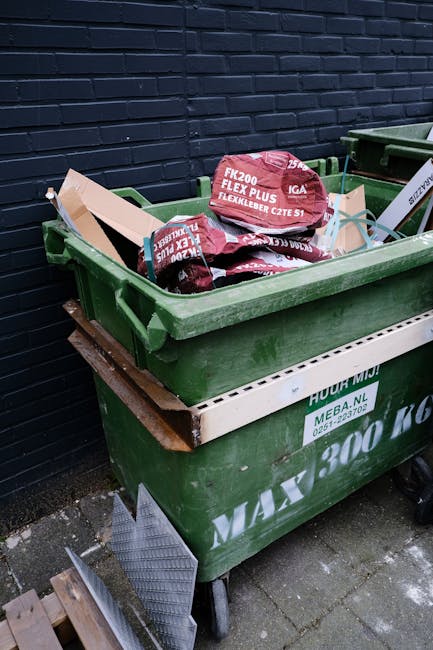
If your bins are still sitting outside when they should have been emptied, it can throw the whole day off. Food waste starts to smell, a hallway gets cluttered, and suddenly you are wondering whether the collection has been missed, delayed, or pushed to another time entirely. What to know about delays with Ealing rubbish collection services matters because a short delay is often harmless, but a longer one can create practical headaches fast.
This guide explains why delays happen, what they usually mean in real life, and how to respond without wasting time. It also covers when a delay is just a one-off disruption and when you may need a different waste solution altogether. Let's face it, nobody enjoys staring at full bags on a damp London morning. Better to know the moving parts.
Why delays with Ealing rubbish collection services matter
A delayed collection is not just an inconvenience. In a busy place like Ealing, where homes, flats, shops, and building projects all generate waste at different speeds, timing matters. A delay can mean bags are left on pavements, food waste becomes unpleasant, or a clearance job has to be rescheduled around neighbours, parking, and access.
For households, delays can create hygiene issues and a bit of stress. For landlords, facilities teams, or small businesses, the knock-on effect is bigger: blocked bin stores, complaints from residents, missed turnaround dates, and extra labour spent moving waste around twice. If you manage a property near a busy road, a station, or a shared forecourt, even a few hours can be noticeable.
There is also a planning angle. When you understand likely delay causes, you can prepare better, choose the right collection method, and avoid paying for the wrong service. That is especially useful if you are comparing regular refuse collection with a one-off clearance service such as domestic waste collection in Ealing or more specialised options like builders waste removal in Ealing.
Practical takeaway: most delays are about timing, access, traffic, staffing, or weather rather than a fault with your bin itself. Once you know that, you can react more calmly and make a better next move.
How Ealing rubbish collection delays usually work
To understand delays properly, it helps to separate three things: a missed collection, a delayed collection, and a service change. They are not always the same. A route may run late because a vehicle got held up earlier in the day. A collection may shift by a day after operational disruption. Or a property may simply be on a different schedule from what the resident expected.
In practice, local waste services often move through a set sequence: planned route, collection round, any access issue, and then a decision about whether the crew returns the same day or on the next available round. If the problem is weather-related or traffic-related, the delay may affect several streets at once. If it is access-related, the issue may be limited to one property or one bin store. Small difference, big impact.
Commercial and domestic collections can also behave differently. A commercial site may have a contract with agreed collection times and contingency rules. A domestic household may be reliant on the normal round, which means delays can feel less predictable. If you are running a shop, cafe, or office, a better fit might be a planned service from commercial waste removal in Ealing, because the schedule can be built around business needs rather than the other way round.
Some delays are caused by simple things that are easy to miss: a car parked too close to the bin area, bags left in the wrong place, an incomplete booking note, or a gate that was locked when the crew arrived. It sounds obvious, but in real life these tiny details cause more trouble than people expect. Honestly, a single bollard in the wrong spot can do it.
Key benefits and practical advantages
Knowing how delays work gives you more control. That is the main benefit, and it is a useful one. Instead of waiting and hoping, you can decide whether to give the service more time, move waste safely, or book an alternative collection.
Here are the main advantages:
- Less wasted time: you spend less time chasing the issue or checking the pavement every ten minutes.
- Better hygiene: you can act sooner if waste is likely to sit out for longer.
- Fewer complaints: especially useful for shared buildings, HMOs, landlords, and business premises.
- Improved planning: you can schedule clear-outs, deliveries, or trades around the real collection window.
- Better cost control: you avoid last-minute emergency bookings and avoid paying for repeat handling where you do not need to.
There is another, quieter benefit too: it helps you choose the right service. A delay in a standard rubbish collection might be annoying, but if you already know you have bulky items, mixed waste, or garden cuttings piling up, it may be more efficient to use a service tailored to the load, such as furniture removal in Ealing or garden waste removal in Ealing.
In other words, understanding delays is not just about waiting better. It is about making cleaner decisions.
Who this is for and when it makes sense
This topic matters to a wide mix of people, and each group feels the delay differently.
- Households: when everyday rubbish, food waste, or recycling sits outside too long.
- Flat residents and landlords: when a shared bin area fills up quickly and the whole building feels the knock-on effect.
- Small businesses: when waste collection timing affects opening hours, customer experience, or food safety routines.
- Letting agents and property managers: when tenant turnover or inspection dates leave very little room for delay.
- Tradespeople and refurb teams: when debris, packaging, or offcuts need to move off-site quickly to keep a job running smoothly.
If you are dealing with a single bag or two, a delay may be little more than an irritation. But if you are handling a move, a renovation, or a full property clearance, the same delay can become a bottleneck. That is especially true for larger clear-outs such as house clearance in Ealing, where timing, access, and volume all matter at once.
It also makes sense to think about delays before you have one. That sounds a bit dull, I know, but it saves stress. If you already expect limited access, parking restrictions, or a busy road outside, it is smart to plan around that rather than assume everything will run perfectly.
Step-by-step guidance
If your Ealing rubbish collection is delayed, the best response is usually simple and calm. Here is the practical order I would use.
- Check the obvious first. Make sure the waste was placed out correctly, at the right time, and in the right location. A missed driveway, locked gate, or blocked access point can be enough to halt a collection.
- Look for wider disruption. Bad weather, roadworks, bank holidays, vehicle issues, or local service interruptions can affect a whole route. If several neighbours are also waiting, that is a clue.
- Separate collection types. Recycling, general rubbish, garden waste, bulky items, and commercial waste may follow different patterns. A delay in one does not always mean a delay in another.
- Protect hygiene where needed. Move food waste into a sealed container, keep lids shut, and avoid overfilling bags. If it is hot, you will notice problems sooner than you think.
- Document the issue. A quick note, photo, or timestamp can help if you need to follow up. Keep it factual. Nothing dramatic required.
- Decide whether to wait or switch. If the delay is short, waiting may be fine. If you have an event, inspection, move-out, or trade visit, a backup plan may be the safer choice.
Where the waste is bulky or mixed, a dedicated service can be more practical than waiting on a standard collection. For example, after a clear-out, it may make more sense to arrange white goods and appliance disposal in Ealing rather than leaving heavy items near the kerb for too long.
A decent rule of thumb: if the delay is causing a knock-on problem rather than just inconvenience, start thinking about a workaround sooner rather than later.
Expert tips for better results
In our experience, a smoother collection day usually comes down to small habits rather than grand plans. The details matter. A lot.
- Put waste out only when instructed or expected. Leaving bags out too early can create mess, attract pests, or clutter the pavement.
- Keep access clear. Bins should be easy to reach, and any gate codes or instructions should be accurate and current.
- Use the right container. Broken bags, overfilled wheelie bins, and mixed waste can slow collection or create rejection issues.
- Think about your neighbours. In shared buildings, one household leaving extra rubbish can cause a mini avalanche. You know the sort of thing.
- Keep a fallback option for deadlines. If you are clearing a flat, office, or rental property, have an alternative service in mind before the pressure is on.
There is also a quality-of-service angle. A reputable waste provider should communicate clearly, turn up with the right equipment, and explain any delay in plain English. That kind of calm, competent communication is worth its weight in gold when the bins are already full and the clock is ticking.
If your waste is linked to a wider property issue, it may help to look at the full service picture rather than one collection slot alone. An overview page like services overview can be useful when you are comparing the type of help you actually need.

Common mistakes to avoid
Most problems around delayed rubbish collections come from a handful of avoidable missteps. Some are minor. Some create more work than they should.
- Assuming the collection is cancelled without checking: a delay is not always a cancellation.
- Leaving waste in the wrong place: crews often need clear, predictable access.
- Mixing unsuitable items with standard rubbish: paint, electrical items, bulky fixtures, and certain materials may need separate handling.
- Booking too late: if you need waste removed before a move, inspection, or handover, leaving it to the last minute is asking for stress.
- Ignoring signs of recurring issues: repeated delays on the same site may point to access, storage, or route planning problems.
One common mistake is trying to "sort it out later" and then discovering later means the bags have split, the smell has spread, and the hallway has taken on a life of its own. Not ideal. Best to act while the issue is still contained.
Another one: using the cheapest-looking quote without checking what is actually included. That is how hidden extras creep in. If you want to avoid that, it is worth reading guidance like avoid hidden rubbish removal charges in Ealing before you book anything urgent.
Tools, resources and recommendations
You do not need fancy systems to manage a collection delay, but a few simple tools help more than people expect.
| Tool or resource | What it helps with | Why it matters |
|---|---|---|
| Calendar reminders | Collection days and booking windows | Stops you missing put-out times or follow-up dates |
| Phone photos | Recording access problems or missed collections | Useful if you need to explain the issue clearly |
| Dedicated bin storage | Keeping waste secure between delays | Reduces mess, odour, and pest issues |
| Backup clearance service | Bulky or time-sensitive waste | Useful when standard collection timing is too uncertain |
| Service information pages | Understanding what each waste type needs | Helps you match the job to the right service |
For property owners and landlords, it can also help to keep a simple site checklist: access codes, bin store location, waste type, collection day, and contact notes. Old-fashioned? Maybe a little. Effective? Absolutely.
If sustainability matters to you, look at how waste is sorted and handled. Choosing a provider with clearer recycling practices can reduce confusion around mixed loads. A useful place to start is recycling and sustainability, especially if you are dealing with mixed waste after a declutter or refurbishment.
Law, compliance, standards, and best practice
Waste handling in the UK comes with real responsibilities, even when the issue is only a delay. If rubbish is left out too long, stored badly, or handled by the wrong type of provider, you can end up with hygiene problems, nuisance complaints, or avoidable compliance headaches.
Best practice is straightforward: use a legitimate waste carrier, keep records where needed, and make sure waste is collected and moved responsibly. If you are arranging removal for a business or a managed property, it is sensible to check that the provider operates properly and can explain how waste is handled. The same applies if the job involves mixed loads, appliances, or potentially awkward materials.
For peace of mind, it is also worth checking a provider's insurance and safety approach before you book. That is not about being fussy. It is about avoiding surprises if something gets damaged or access is tight. The page on insurance and safety is a sensible read if you want to understand the basics.
Another important part of best practice is transparency. You should know what happens if there is a delay, what items are accepted, and what the process looks like if the collection cannot be completed on the first visit. Good operators spell that out in advance. Bad ones hope nobody asks. You can probably see why the first option is better.
For terms, payment clarity, and what you are actually agreeing to, it helps to check official site information such as terms and conditions and payment and security. That way, if a delay changes the shape of the job, you are not guessing.
Options, methods, or comparison table
Not every delayed collection needs the same response. Sometimes waiting makes sense. Sometimes a different method is better. The right choice depends on how urgent the waste is, what type it is, and how much space you have to keep it safely.
| Option | Best for | Pros | Limitations |
|---|---|---|---|
| Wait for the delayed collection | Short, low-risk delay | No extra booking, simplest option | Not ideal if waste is blocking access or causing odour |
| Reschedule around the delay | Planned clear-outs and flexible jobs | Better for larger properties or busy households | Needs time and coordination |
| Use a specialist removal service | Bulky, heavy, mixed, or urgent items | Faster and more tailored | Can cost more than waiting, depending on the job |
| Separate and store waste temporarily | Situations with safe indoor or sheltered storage | Reduces exposure and keeps areas tidy | Only suitable if storage is secure and hygienic |
If you are managing a cluttered flat, a probate clear-out, or a family move, a dedicated clearance can be the least painful route. A page like furniture removal in Ealing can be particularly useful where large items are the real problem, not everyday bin waste.
For smaller domestic jobs, a standard collection might still be fine. For awkward or mixed items, a specialist method usually saves time in the end.
Case study or real-world example
Imagine a small flat near Ealing Broadway. The residents are expecting a routine collection on Monday morning, but by lunchtime the bags are still there. A neighbour mentions roadworks nearby, and one of the bins is awkwardly placed behind a parked car. By mid-afternoon, the hallway smells faintly of last night's takeaway and recycling is starting to spill over. Not dramatic, but not great either.
Instead of panicking, the residents check access, tidy the waste into closed bags, and decide whether the delay is local or route-wide. They notice two other nearby buildings have the same issue, which suggests a wider disruption rather than a one-off problem. Because they also have an old sofa and a broken appliance they were planning to get rid of, they decide not to wait indefinitely. They arrange a separate collection for the bulkier items and keep the bins secured until the normal service resumes.
That simple decision saves them from leaving waste outside for too long and reduces the chance of complaints from neighbours. It also stops the whole week from becoming a game of "will the bins move today?" which, to be honest, is a game nobody wins.
In another real-world style scenario, a landlord preparing for new tenants might face a delay right before check-in. Rather than hoping for the best, they book a more focused clearance for remaining household items and use the delay as a cue to review access instructions, storage space, and bin placement for next time. Small fix, better outcome.
Practical checklist
Use this quick checklist if you are dealing with a delay in Ealing rubbish collection services.
- Confirm the waste was placed out correctly.
- Check whether the delay is local or part of a wider route issue.
- Keep lids closed and avoid overflowing containers.
- Move food waste to sealed bags or a secure bin where possible.
- Keep access points clear for the crew.
- Take a photo if you need a record of the situation.
- Decide whether the delay is safe to wait out.
- Book an alternative removal method if the waste is urgent, bulky, or causing disruption.
- Review pricing, inclusions, and any terms before committing to a backup service.
- Check whether the waste type needs a specialist approach, especially for appliances or bulky furniture.
If you are dealing with a full property, a renovation, or a garden project, it may also help to look at specific waste streams rather than treating everything as one pile. That is where services like house clearance in Ealing and garden waste removal in Ealing can make life easier.
Get a free quote today and see how much you can save.
Conclusion
Delays with Ealing rubbish collection services are frustrating, but they are usually manageable once you know what to look for. The real trick is to distinguish between a short delay, a route-wide disruption, and a situation where a different waste solution is simply the smarter choice. That small bit of judgment can save time, reduce stress, and keep your property cleaner.
If you remember only one thing, make it this: don't wait passively when the delay is creating a wider problem. Check access, check timing, keep waste contained, and use a more suitable service when needed. That is often the difference between a mild nuisance and a full-blown bin headache.
And if today is one of those days where the bags are piled up by the door and the kettle is going cold while you sort it all out, take a breath. It usually gets sorted. One step at a time.